Wood-fired hot tub manufacturers have multiple ways to stand out from the competition, but we believe that what customers benefit from most is having the best technology solutions to ensure they enjoy a relaxed and worry-free experience while using a wooden spa.
In this article, we’re going to list out a few hidden wood-fired hot tub details about the differences between the components across a range of wood-fired hot tubs made by different manufacturers. These may seem like just minor details, but they affect your overall spa experience.
Hydro-massage system
Nozzles placed randomly at the same level will only massage each part of the body that is positioned directly against the currents, so you would have to move up, down and side-to-side to massage your back or shoulders, for example.
This kind of basic positioning of 6 hydro jets can be seen in TimberIN’s hot tubs, as shown in the image below:

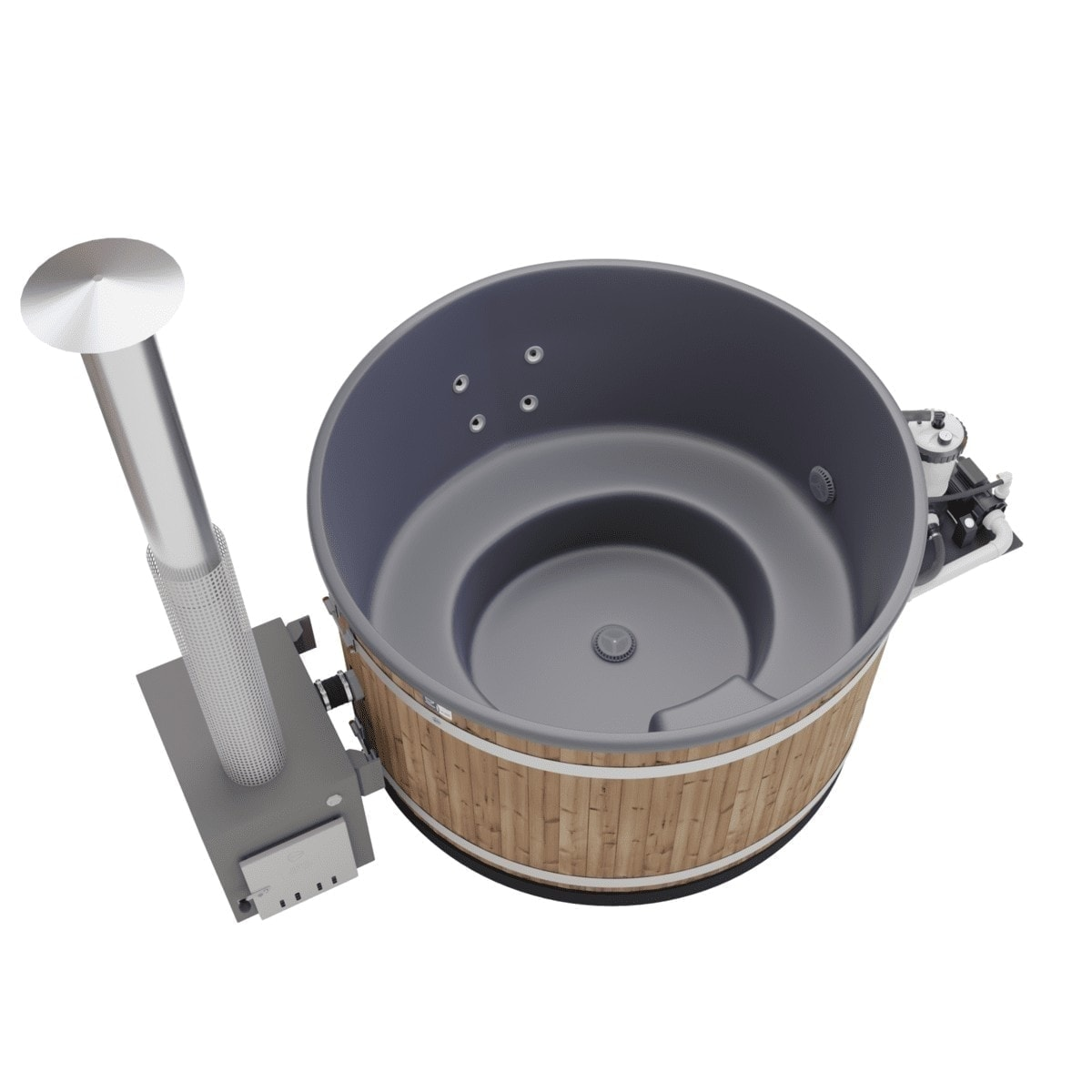

Therefore, two intensity regulators fixes the issue. Gardenvity is the only hot tub manufacturer so far to install more than 10 hydro jets in their wood-fired hot tubs, so the feature discussed applies only to their hot tub models.
Chimney assembly
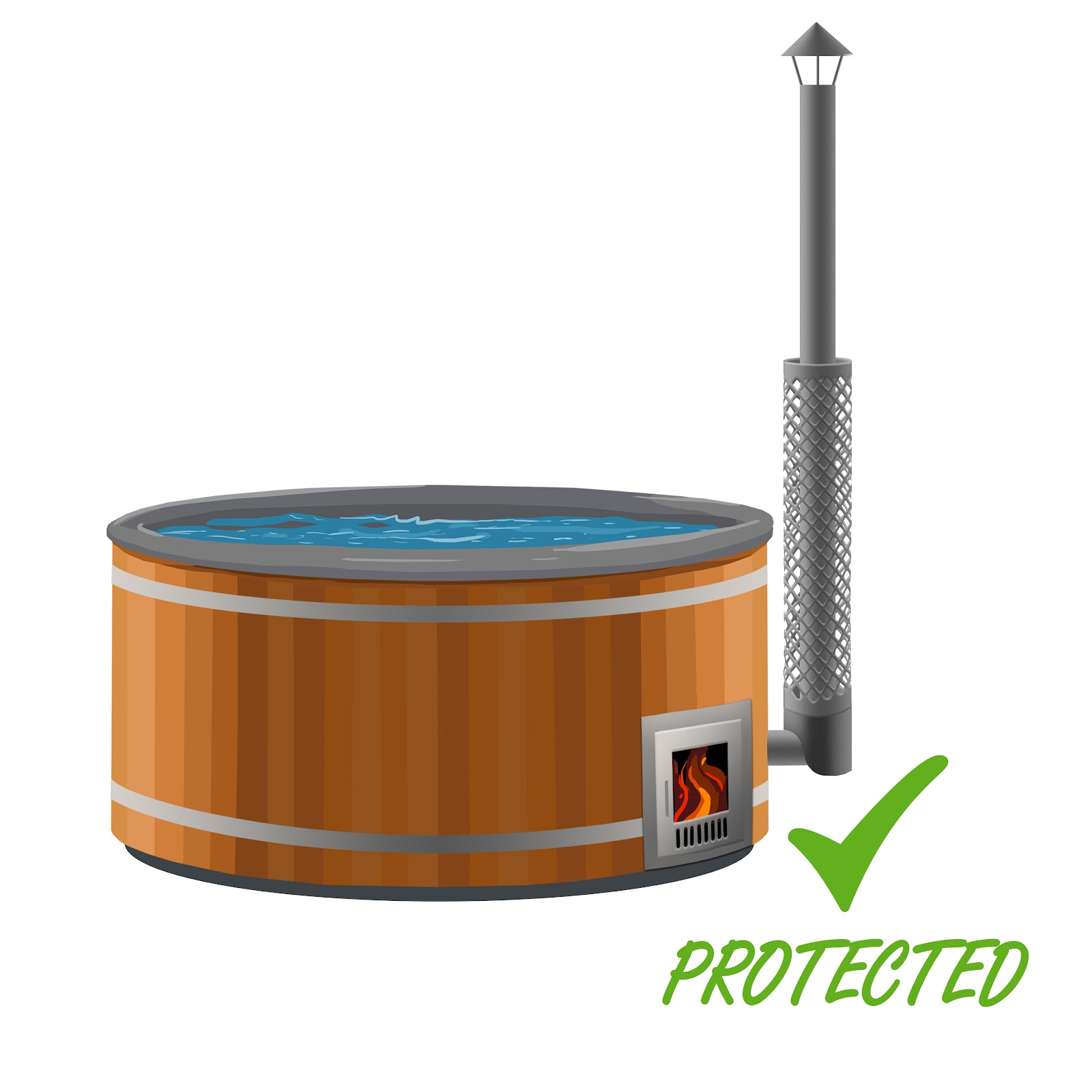
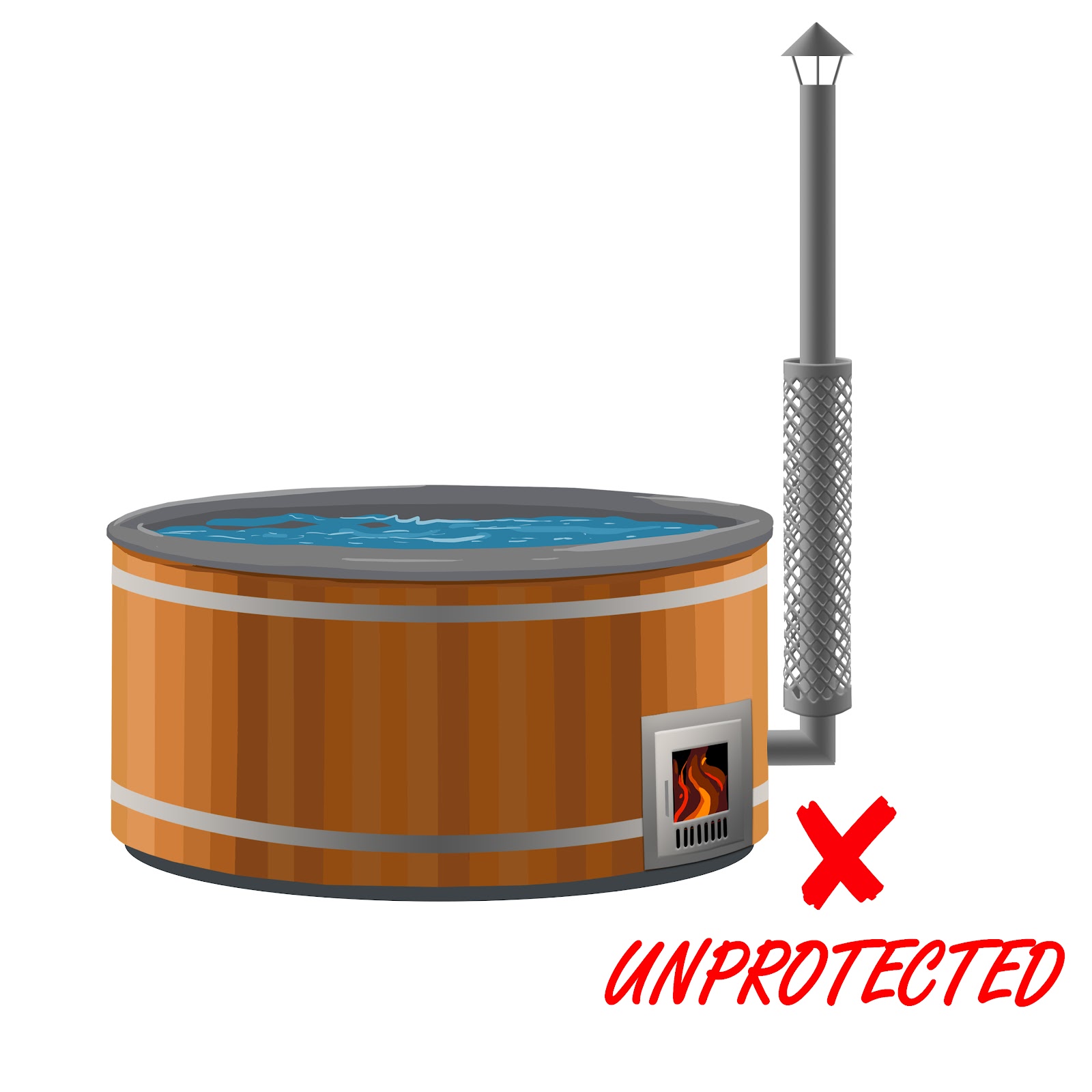
Firstly, make sure to take a closer look at how protected the chimney flue is. It gets very hot while operating the wood-burning stove, so accidental contact may result in burns. This is why it is important to make sure it is protected to prevent such accidents.
With models that feature integrated heaters, the most thoughtful design covers the chimney tube and its elbow where it connects to the stove (see image 1 below). This protects your skin from getting burnt if you accidentally touch the chimney connection elbow while operating the stove. You can find this design solution in Skargards and Gardenvity wood-fired hot tubs that come with an integrated heater.
Other wood-fired hot tub manufacturers protect only the vertical part of the chimney, leaving the connection elbow hot and dangerous to touch. This type of heat protection is used in Royal Tubs and TimberIN wood-fired hot tubs that have an integrated heater.
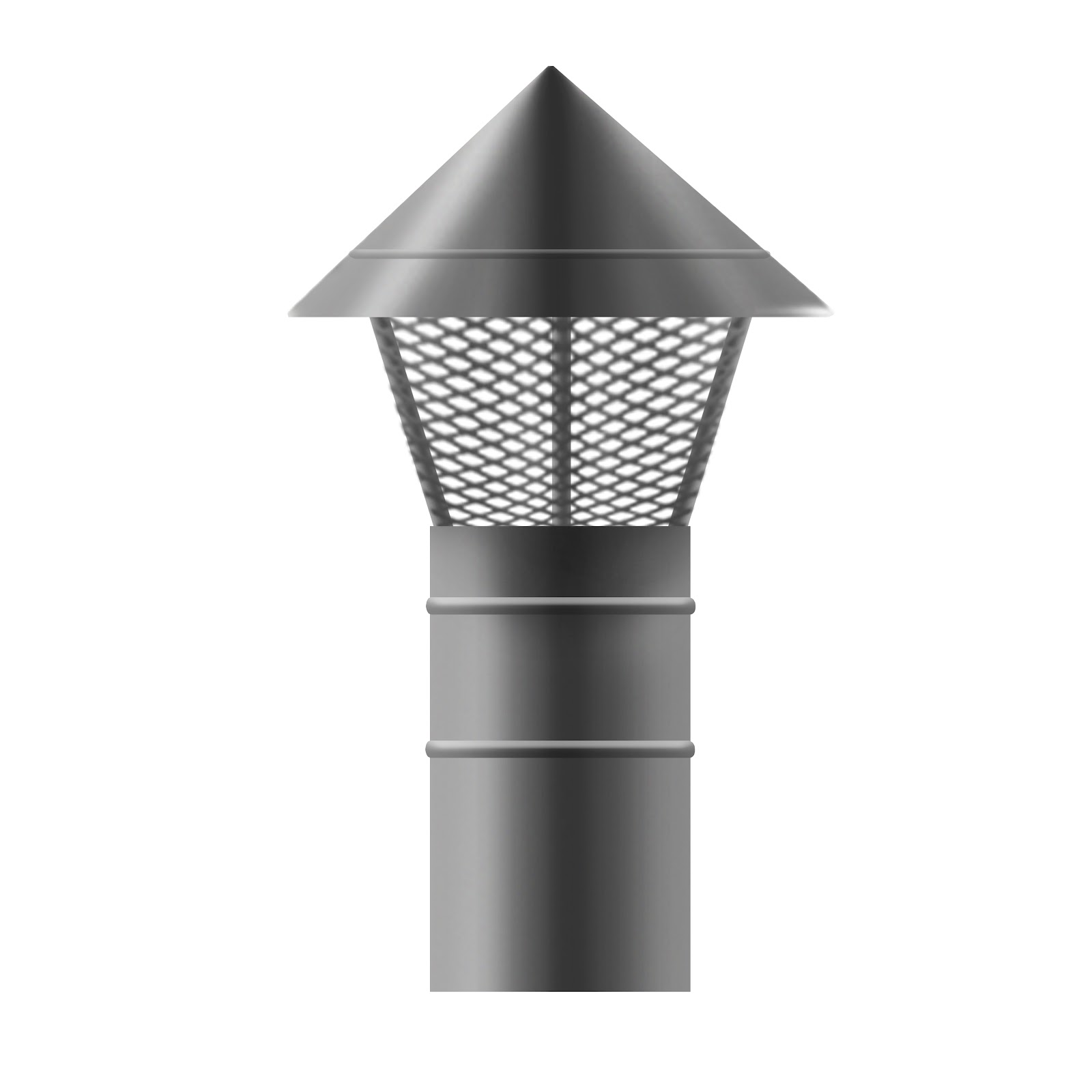
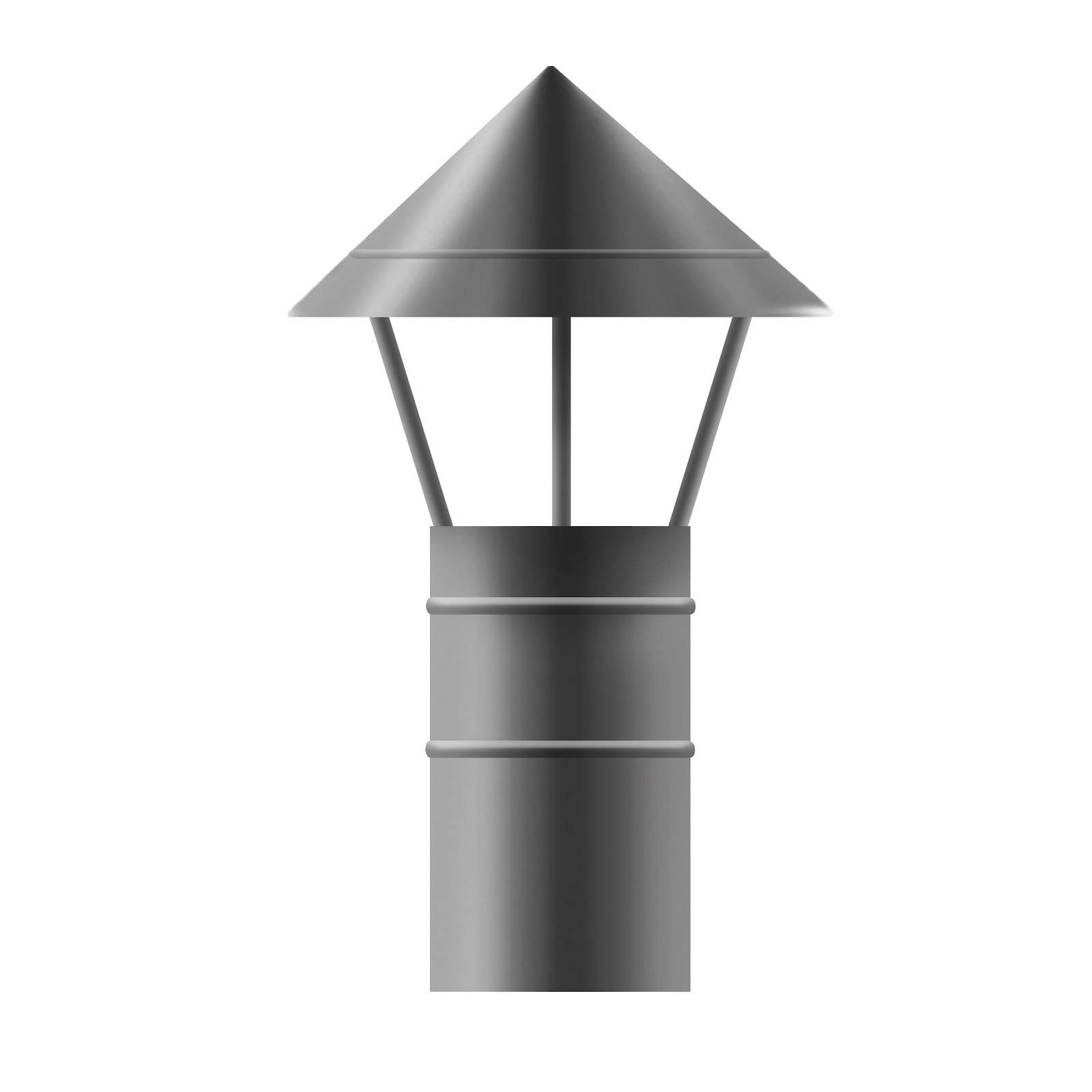
The type of technology used for chimney caps also varies among hot tub manufacturers. The most notable difference here is the use of an ash-catcher mesh, which is only found in Gardenvity models. This particular mesh is specifically designed to trap sparks and hot ash, thereby reducing the risk of igniting any flammable objects in the vicinity.
Liner shape
This is because these types of liners can be moulded to adapt perfectly to body contours, and they have rounded edges and a smooth surface. However, there are certain things to observe with your magnifying glass in order to compare the options available and which one is right for you.
The differences between fibreglass and acrylic liners have been summarised in our earlier article which we recommend reading for detailed information. Right now, we’re only going to focus on the tiny details that really do make a difference.
One of these details is whether the manufacturer has thought about ways to prevent puddles from forming on the hot tub seats after draining the water.
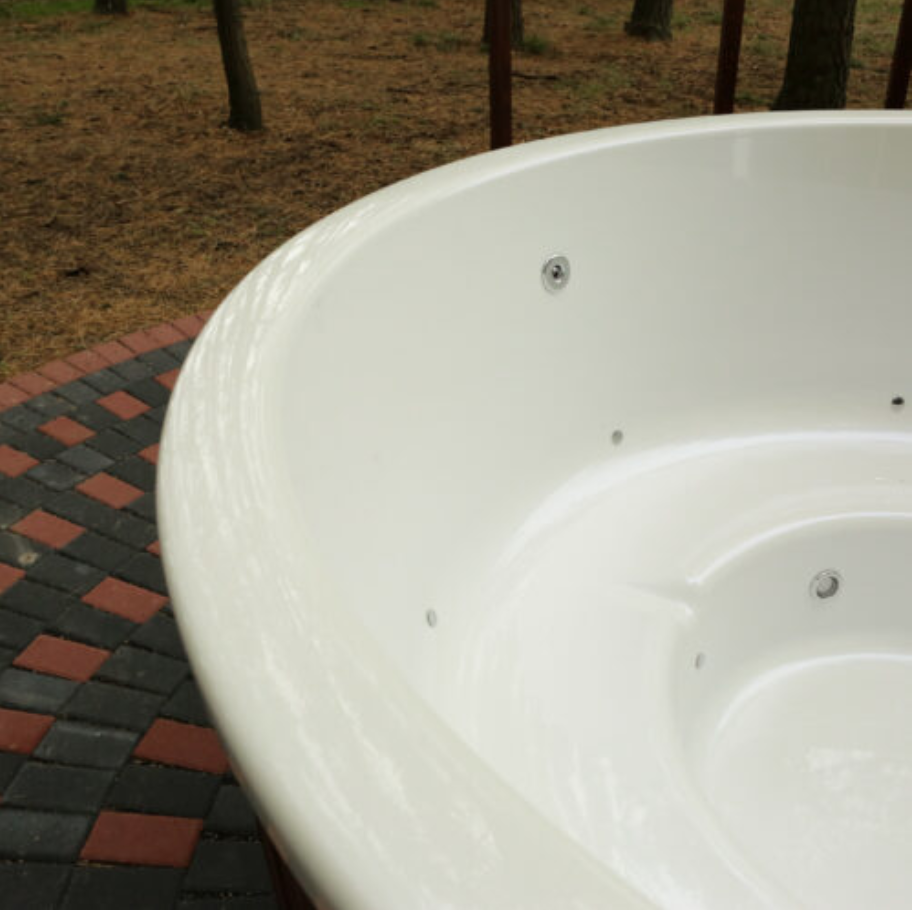
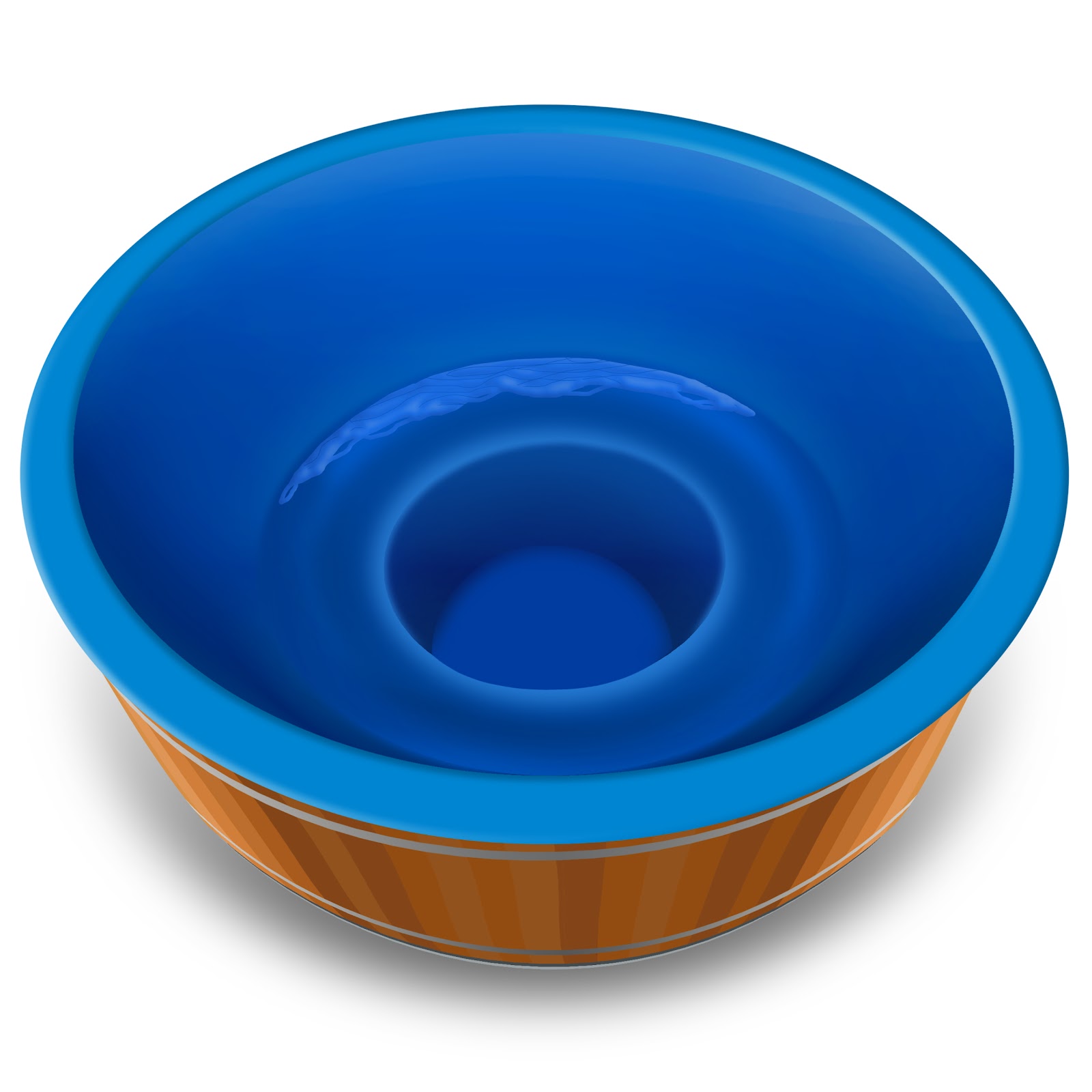
In the image above, you can see the groove in the surface of the seats which the water runs down and is drained through the main drain collector at the bottom of the hot tub liner.
If the seating surface of the hot tub has an elevated edge, which makes for a more comfortable hot tub experience for your legs, then you will definitely need to double-check whether it has a drain way. If not, you will be required to spend an extra few minutes drying out those puddles yourself when you drain your hot tub. See image below.
Hot tub cover
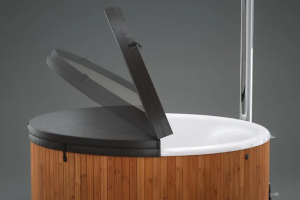
Photo credit: Skargards
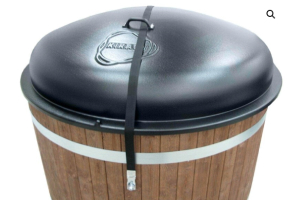
Photo credit: The Log Company
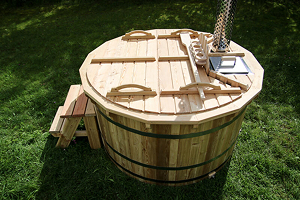
Photo credit: Royal Tubs
An insulated cover has a thermal advantage to enable you to heat the water faster and keep it warmer for the next day. Plus, it’s light enough to be handled by a single pair of hands, making maintenance and regular use much more convenient.
In comparison, a plastic one-piece lid should be lifted by two persons. If only one person were to slide it over the side of the hot tub, it can scratch the top rim of the unit.
We also recommend noticing the straps and buckles attached to the bi-foldable insulated cover – they prevent the cover from falling off the hot tub in strong winds. Check out if any sellers (such as The Log Company (Kirami) as pictured above) offer tips and tricks to keep the plastic cover tightly secured on your hot tub unit so that it does not get blown away in the wind.
A wooden cover is the heaviest option on the market, as well as being the least durable if not maintained well. However, it comes out on top (literally!) for wooden hot tubs with an internal heater.

Liner colours
If the mains water in your location has a high level of iron or other metals, keep in mind that these can eventually cause some discolouration of the hot tub liner rendering it yellowish or greyish. It is possible to avoid this, but only if you never compromise on flawless regular cleaning habits.
Wood cladding
The wooden cladding of a wood-fired hot tub serves the dual purpose of ensuring structural sturdiness and creating an external aesthetic finish. In short, thick planks offer better structural integrity and are more durable than thin ones.
None of the top wood-fired hot tub brands include any details about the thickness of the planks used in their cladding, so it may be worthwhile contacting different sellers to ask for more information about this.
Now that we’ve brought these seemingly small details to your attention, you’ll no doubt start noticing them while checking out the various hot tubs available on the market. Decide which features are the most important to you and where you can make compromises, as your overall hot tub situation may not necessarily require all of the features discussed above. This can help you save some money by opting for more economical models without compromising on the features you consider essential.