Do wood-fired hot tubs bubble? Is it worth investing in a wood-fired hot tub with jets? How much does a jet system increase the total price of the hot tub unit? These are all great questions to ask, and the short answers are: yes, yes, and not necessarily by much. Let’s dive into the explanations for each of these questions so you can make an informed decision about what hot tub is right for you. This article provides you with details of the benefits you can receive from adding air jets or hydro currents to your wood-fired spa.
Autumn is here, and with less sunshine comes a need to warm ourselves up in other ways. It’s always a good idea to get toasty warm right to the core while simultaneously enjoying a massage from jets in a wood-fired hot tub. In this article, we will review what each of the five top wood-fired hot tub brands in the UK offer.
What are the typical jet systems to create bubbles in wood-fired hot tubs?
air jets and/or hydro currents. While it isn’t designed to mimic the trained hands of a massage therapist, air or water massage do work effectively to provide relaxation and tension relief during your soak.
The two types of jets both require electricity and generate bubbles and currents of varying intensity for a higher or lower level massage. Naturally, their power consumption will be different, as well as pricing.
The most notable difference between the two types of jets is the overall sensation they offer when bathing in a wood-fired hot tub.
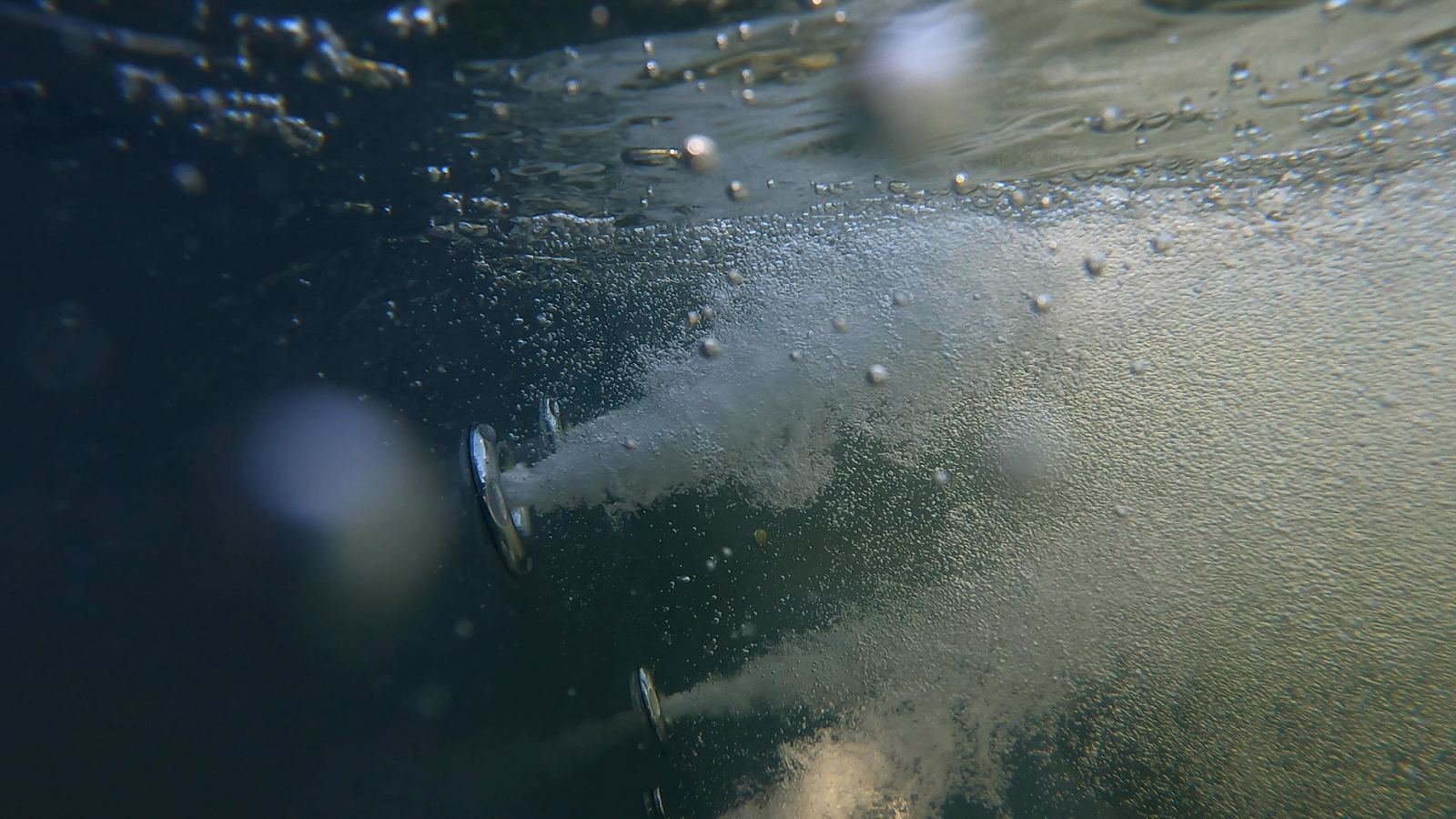
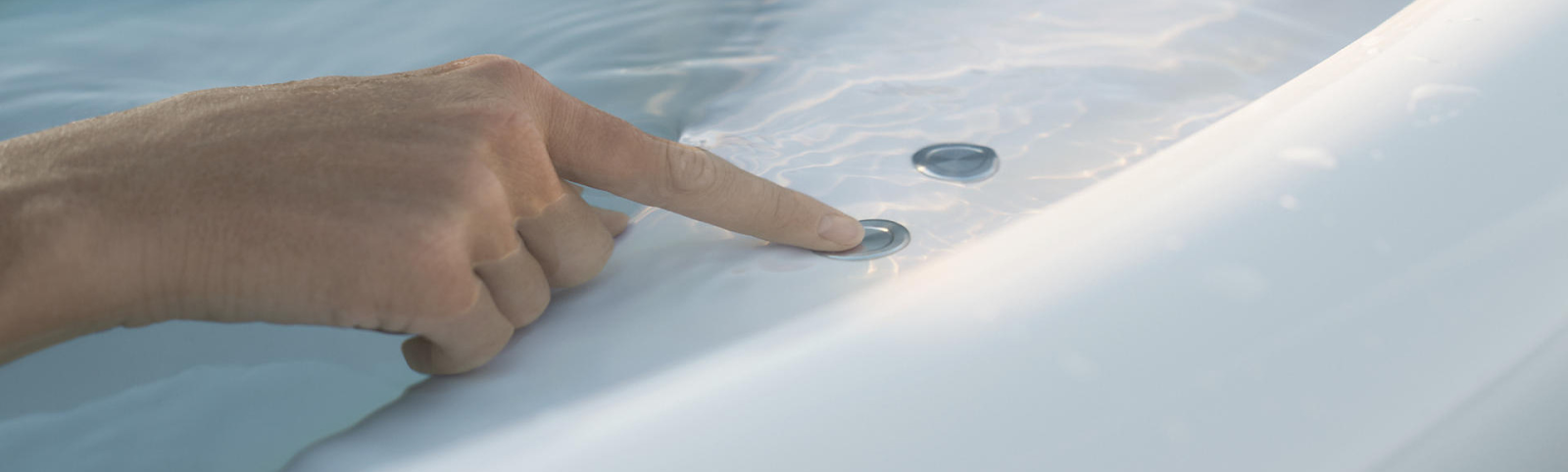
Air jet compressor thrusts air bubbles up through tiny nozzles to create a constant stream of gently rolling water. This massage system is less potent than the units used to generate hydro-massage. With air jets, water is not circulated throughout the system, which makes it easier to maintain in colder weather.
Hydro-massage pumps burst out stronger currents at higher pressures for a firmer, more therapeutic massage effect when positioned correctly. The system lines are filled with water from the hot tub, requiring careful, thorough maintenance to ensure hygiene standards are upheld and to save the system from damage caused by freezing in cold temperatures. Some hot tub manufacturers add airflow to the hydro jets to regulate their intensity.
Air jets or hydro-massage?
What types of massage sensations do they generate?
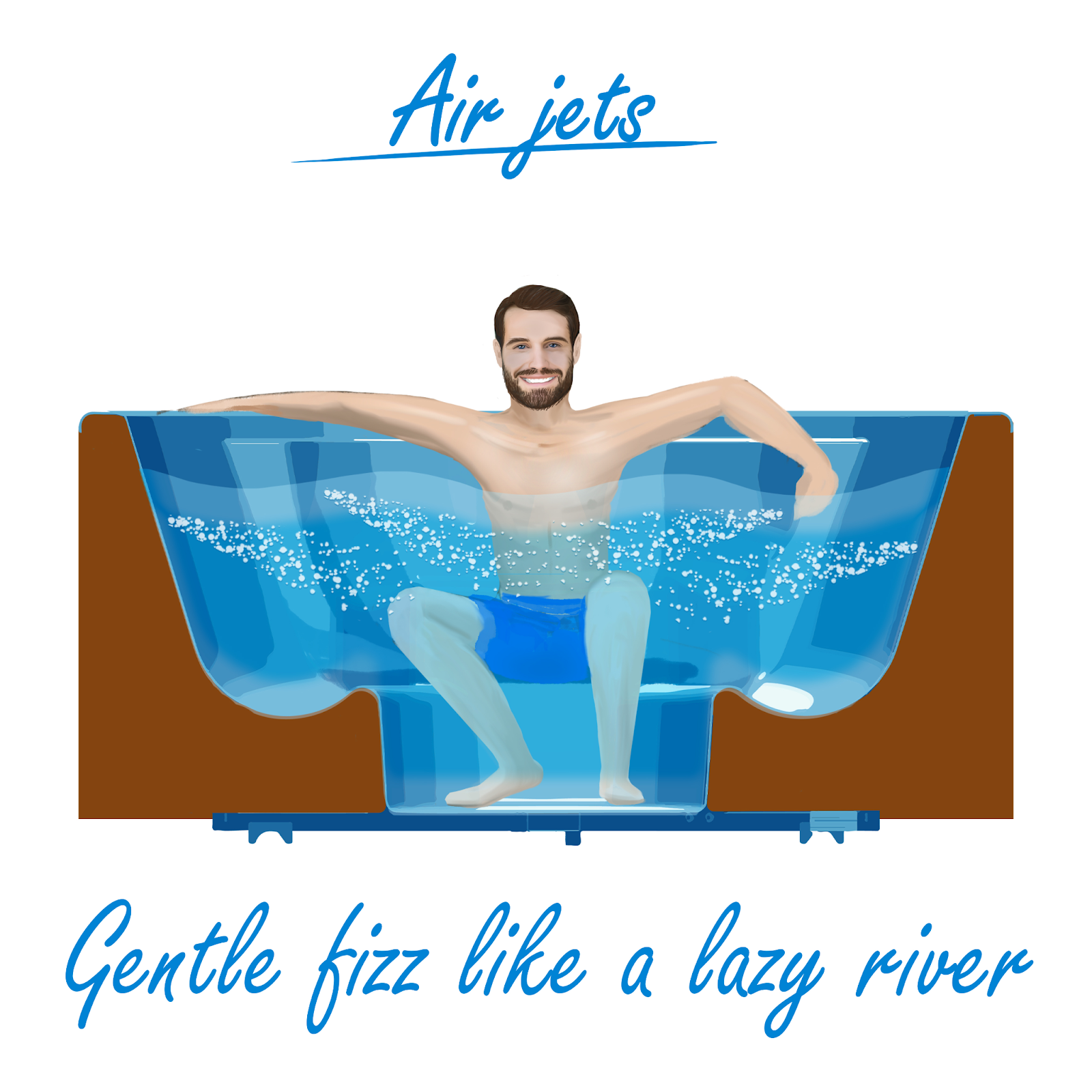
Air jets
Gentle fizzing massage all over your body. The water flow throughout the tub can be compared to the overall sensation of a lazy river.
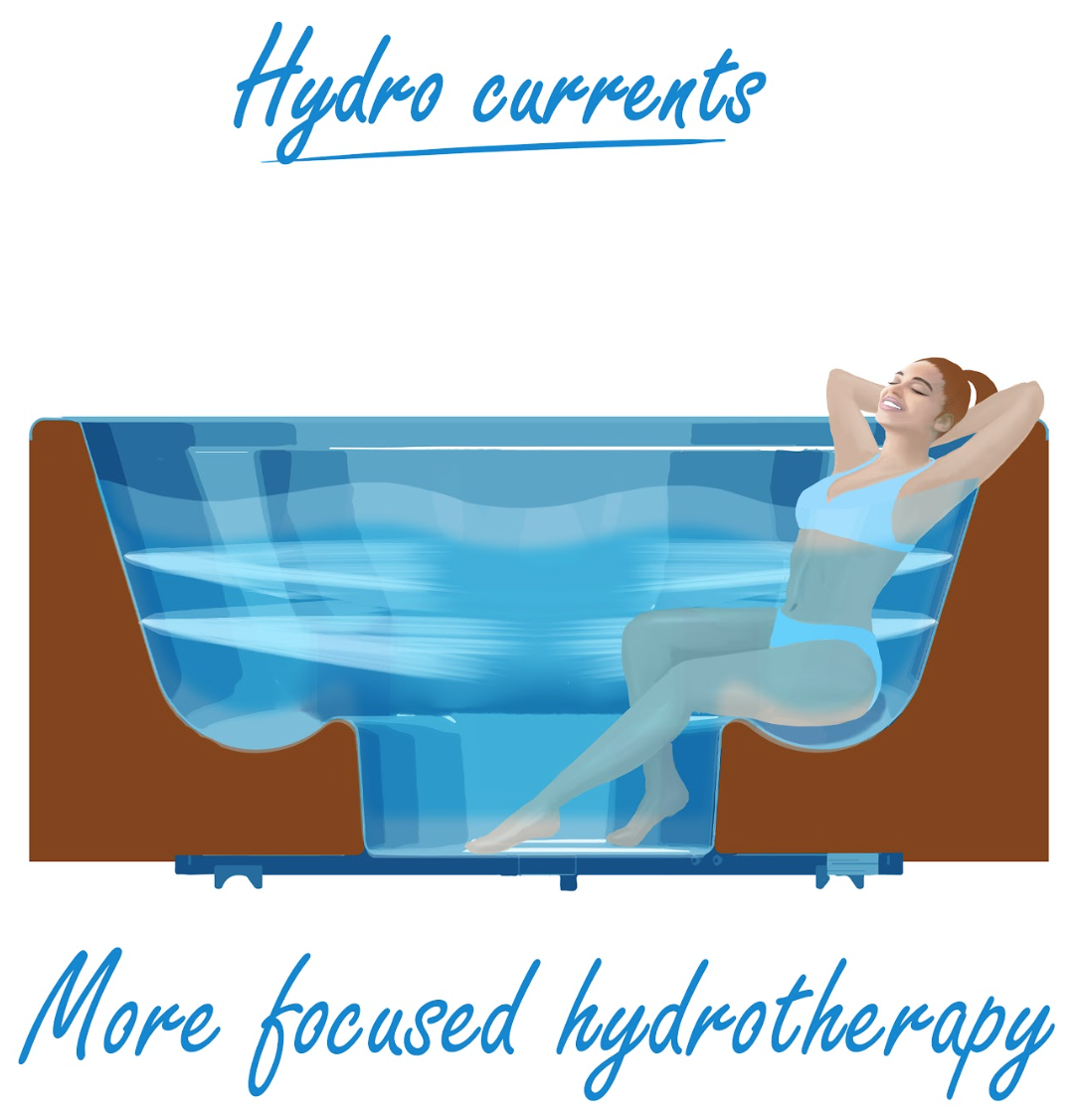
Hydro currents
Stronger and more focused hydro-therapy with therapeutic benefits
Power consumption/line requirements
Air jets
Not every manufacturer publishes the power of their air jet compressors, but typically it should be around 700 W and not exceed 1 kW. There are no special power access requirements for this system.
Hydro currents
The compressors will typically consume between 1 and 3 kW of power, depending on the number of nozzles in the hot tub. There are no special power access requirements for the system.
Maintenance
Air jets
Only the Timberin, Gardenvity and Skargards brands provide specific figures when it comes to how much an air jet system costs.
These are as follows as of October 2022:
Timberin €600 (ca. £530) (12 jets), Gardenvity £550 (12 jets) or £650 (20 jets), Skargards £580 (6 jets).
Royal Tubs offers an air bubbles system but the price is by enquiry only, as it is not displayed.
Hydro currents
Royal Tubs and The Log Company (Kirami) do not appear to display on their websites how much it costs to add hydro therapy features to their hot tubs.
However, hydro-massage systems are available in their wood-fired hot tubs. Timberin and Gardenvity, on the other hand, clearly state their prices as follows:Timberin €620 (ca. £545) (6 nozzles), Gardenvity £650 (10 nozzles) or £950 (20 nozzles).
So far, Skargards has not offered a hydro-massage system.
Summary
Air jets
Cheaper than hydro currents
Minimum maintenance (close to none)
Gentle, dispersed massage
Require less electricity
Hydro currents
Stronger massage effect
Option to create massage zones for the shoulders, back, legs and feet
Adjustable intensity
Reviews of massage jets in top wood-fired hot tub brands




Priced at £550 and £650
700 W
Price and power not shown

Priced at €600
(ca. £530)
700 W
Priced at £580
700 W
Priced at £650 and £950
1.1 kW and 2.2 kW
Price not shown
1.1 kW and 2.2 kW
3 kW (combined with electric heater)
Priced at €620 (ca.£545)
900 W


What are the benefits of a wood-fired hot tub with jets?
Most wood-fired hot tub models with hydro-massage system will have at least one or more zones with massage nozzles positioned so as to work specifically on your shoulders, back and legs/feet. The hydro massage can relieve muscle aches and tension after physical activity (perfect of athletes or gym bunnies!) or a long day at the office hunched over in a chair. Whatever your lifestyle, this system provides an invigorating massage for stiff, sore joints.
If a hydro-massage feels like too much, as the intensity can be higher, air jets can offer a more soothing, gentle sensation. On top of this, the air bubbles make for a playful experience when combined with lighting systems in the hot tub.
A great feature of air jets or hydro currents is that they keep the water in the hot tub constantly flowing, which enables even heating throughout the tub.
These massage systems typically come with a moderate price tag when added on to a wood-fired hot tub unit. Considering this, our bottom line recommendation is to get one, or even both for variety! An air or hydro massage system is an important feature to enrich your hot tub experience with relaxation, health benefits and plenty of fun!